Polymer batteries are the core energy storage components for various portable digital and smart devices. Their key features include being lightweight, flexible, having high energy density, and being compact in size. They can be customized in shape as needed and are compatible with Bluetooth speakers, mobile phones, tablets, smart wearables, and other products. The rated capacity ranges from several hundred to tens of thousands of mAh, balancing energy storage efficiency with device form factor compatibility. According to the United Nations' dangerous goods transportation rules, IATA's "Dangerous Goods Regulations," and IMDG's "International Maritime Dangerous Goods Regulations," polymer batteries, as an important category of lithium batteries, must undergo UN38.3 certification and obtain a qualified report to ensure compliance with global air, sea, and rail multimodal transportation. Without certification, they will be refused for carriage, detained by customs, and directly affect the delivery of overseas orders.
1. What is UN38.3 Certification? Why is it necessary for polymer batteries?
(1) Core Definition and Standard Basis
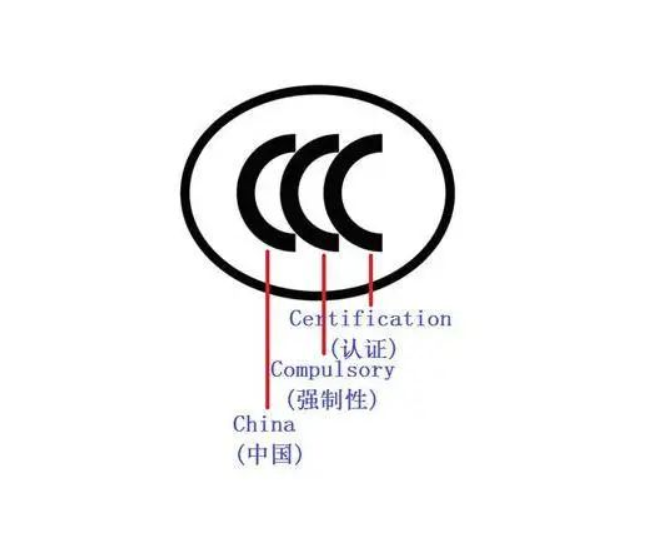
UN38.3 certification is a globally applicable mandatory safety testing standard for lithium batteries. Its core purpose is to serve as a transportation safety certificate, distinct from the CCC market access certification. It is conducted by third-party laboratories accredited by CNAS and CMA and issues reports. The core basis for polymer battery UN38.3 certification is the latest version of UN38.3 Rev.7, combined with the supplementary standard IEC 62133-2, to accommodate their lightweight and flexible characteristics. It focuses on eight core tests such as thermal shock, compression, and short circuit, and also considers complex scenarios like bumps and high/low temperatures during transportation to avoid safety hazards due to special shapes.
(2) Scope of Application and Core Determination Criteria
Scope of application: All types of civilian and commercial polymer lithium batteries, including built-in batteries in portable devices and rechargeable polymer battery packs, regardless of individual transportation or transportation with the device as a whole, must pass the certification. Core determination: All eight tests must be met without fire, explosion, or leakage; the transportation charge state requirement (≤30%) must be met; the flexible packaging must be undamaged, and no electrolyte leakage after compression tests; the device must be well-matched, and there must be no power supply abnormalities during transportation, and the packaging must comply with UN's anti-short circuit requirements.
(3) Core Necessity of Processing UN38.3 Certification
1. Mandatory transportation requirements, without certification, the carrier has the right to refuse transportation, customs detention, and penalties, directly affecting order delivery; 2. Hard threshold for cross-border e-commerce overseas expansion, Amazon, AliExpress, etc. platforms require uploading reports and MSDS, otherwise they cannot be listed; 3. Avoid trade risks, reduce transportation safety hazards, and prevent losses due to non-compliance with packaging or charge state; 4. Enhance trust among overseas buyers, highlight transportation safety advantages, and help expand global channels.
2. The entire process of polymer battery UN38.3 certification
(1) Required Application Materials
English versions (with official seal): 1. Samples (10-15 individual cells, 3-5 battery packs, consistent with production, with complete labels); 2. Business license, ISO 9001 system documents; 3. English specification sheet, BMS function description, MSDS (in both Chinese and English); 4. Application form, testing commission agreement, product consistency statement; 5. Battery photos, transportation packaging design scheme.
(2) Complete Processing Flow (5 steps for efficient certification)
1. Select a third-party laboratory recognized by CNAS, CMA, and IATA; 2. Submit materials and samples, confirm the testing plan; 3. Complete all tests according to Rev.7 standards, and issue rectification suggestions if不合格; 4. Review data, issue a formal report within 1-2 working days; 5. Apply for DGM air certification (if necessary), and standardize packaging and labeling.
(3) Key Precautions
1. Keep the charge state within 30%, adjust test parameters to adapt to the flexible characteristics of polymer batteries; 2. The parameters and packaging process of the samples are consistent with those of the mass-produced products. Changes in core components require re-testing. 3. The documentation is standardized, with the MSDS clearly stating the chemical properties and the packaging designed to prevent short circuits. 4. The reports have no fixed expiration date. Changes in design or standard revisions require re-testing.
III. Choose ZRLK for efficient UN38.3 certification for polymer batteries
The lightweight and flexible characteristics of polymer batteries make the adaptation of test parameters and compliance with packaging the core challenges in certification. ZRLK collaborates with recognized laboratories to provide a full-chain service: 1. Authoritative qualifications, reports globally recognized, suitable for various transportation scenarios; 2. Free pre-inspection to identify common不合格 items in testing and packaging; 3. One-on-one guidance to assist in preparing materials, sample debugging, and packaging design; 4. Support for expedited services to shorten the certification period and reduce certification costs; 5. Real-time interpretation of new regulations to ensure long-term transportation compliance.
IV. UN38.3 certification helps polymer batteries comply with export requirements
UN38.3 certification is a necessary pass for polymer batteries to export. Its flexible characteristics increase the difficulty of certification testing, and compliance directly affects order delivery. ZRLK, with its professional team, practical experience, and authoritative resources, efficiently resolves all pain points throughout the process, helping enterprises break through transportation compliance barriers. If you have any requirements for certification processing, sample testing, expedited issuance of certificates, etc., please contact us to ensure the safety of polymer battery export!