Center Certification & Testing International
CE certification is indispensable for selling wireless microphones in the EU market. This is not only a legal requirement but also a key step to ensure the safety and performance of the product. CE certification covers regulatory requirements such as the Wireless Devices Directive (RED), Electromagnetic Compatibility Directive (EMC), Low Voltage Directive (LVD), and Health Directive, ensuring that wireless microphones comply with all regulatory requirements while safeguarding user safety. Without CE certification, products will not be legally allowed to enter the EU market.
1. RF testing: Detect RF parameters such as transmission frequency, transmission power, and transmission bandwidth.
2. EMC testing: Detect electromagnetic interference and anti-interference capability.
3. Safety regulation testing: To detect the electrical safety of the product during operation.
4. EMF assessment: Evaluate the safety of the product's electromagnetic radiation to the human body.
1. Wireless radio frequency (RF) : Compliant with standard EN 300328, ensuring that the RF performance of the wireless microphone meets European standards and avoiding interference with other wireless devices.
2. Electromagnetic Compatibility (EMC) : Complies with standards EN 301489-1 and EN 301489-17, ensuring that the equipment operates normally in an electromagnetic environment without interfering with other devices.
3. Electrical Safety (LVD) : Complies with standard EN 62368-1 to ensure that the wireless microphone does not pose an electrical hazard to users during use.
4. Electromagnetic Radiation (EMF) : In compliance with the standard EN 50663, assess the impact of electromagnetic radiation from wireless microphones on the human body.
1. User Manual: It provides detailed usage instructions, functional features, and safety warnings to help users use the product correctly and safely.
2. Circuit schematic diagram: It shows the internal circuit design or circuit connection principle of the product.
3. Circuit block diagram: Clearly display the module functions of the product and their interrelationships, including key crystal oscillator frequency information.
4. Product nameplate: It includes the manufacturer's name, product model, brand, power supply specification, certification information, etc. These are important pieces of information for product identification and traceability.
5. Antenna Report: Provide the performance parameters and gain characteristic specifications of the antenna.
6. Fixed-frequency software: Especially for Bluetooth and Wi-Fi devices, software tools are needed to set or control the transmission mode and transmission channel required for testing, etc., to meet the conditions needed for testing.
The first step is to fill out an application form, providing clear pictures of the product and detailed specifications.
The second step is to determine the applicable directives and standards that the product should comply with based on its characteristics.
The third step is to prepare the test samples.
Step 4: This stage will conduct a comprehensive test on your product to verify whether it complies with the CE standards.
After the test is passed, the CE certification certificate report can be issued.
Step 6: Affix the CE marking.
If you need to know more about the CE certification process or handle related certifications, please feel free to consult us!


Australian RCM certification
Label printers entering the Brazilian market, ANATEL certification is an essential passport! It is the recognition of the Brazilian Telecommunications Authority for the safety and compliance of electronic products, without which products cannot be legally sold.
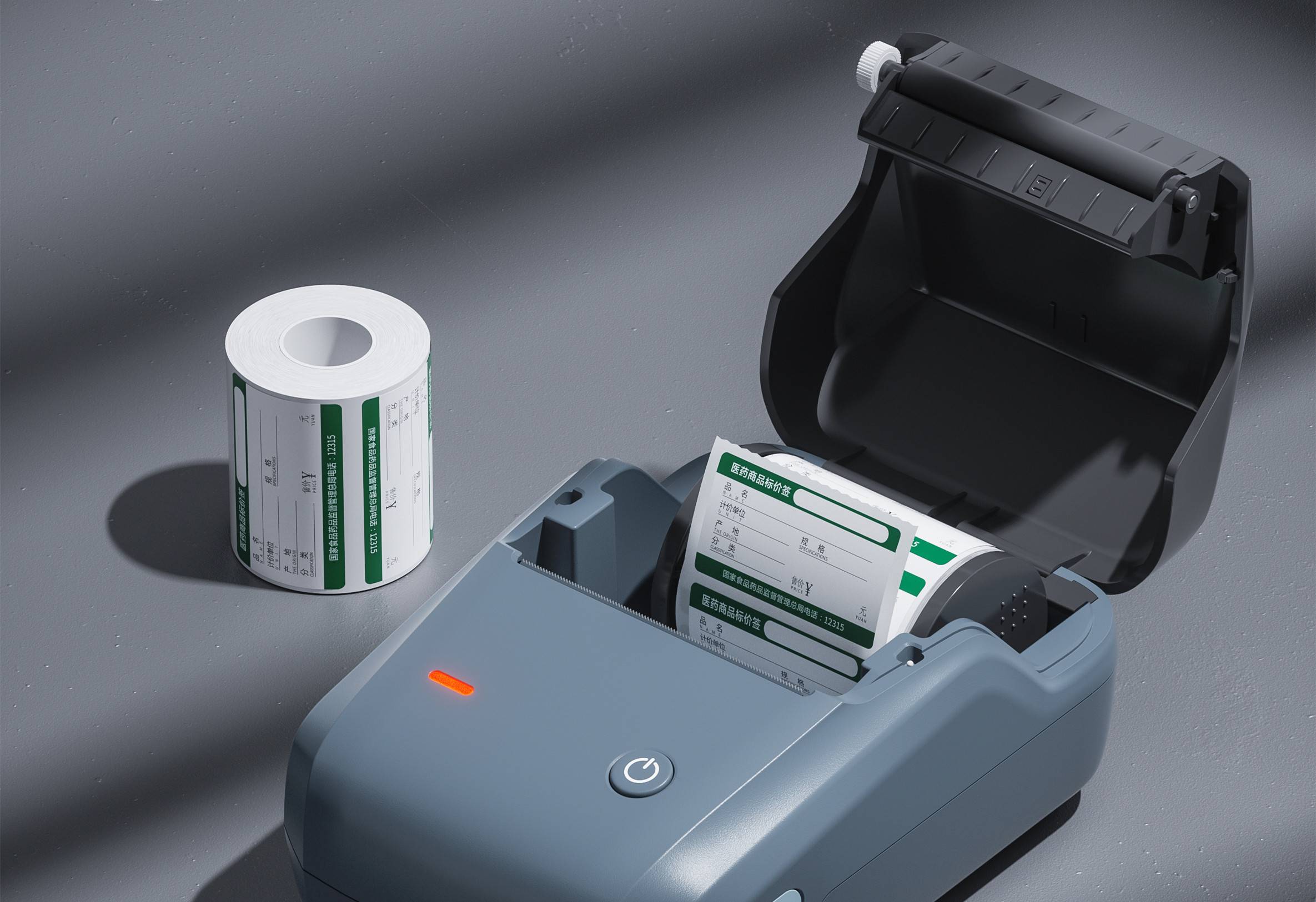
SRRC certification is not only a guarantee of product compliance, but also a key to opening up the market.
CE certification is indispensable for selling wireless microphones in the EU market. This is not only a legal requirement but also a key step to ensure the safety and performance of the product. CE certification covers regulatory requirements such as the Wireless Devices Directive (RED), Electromagnetic Compatibility Directive (EMC), Low Voltage Directive (LVD), and Health Directive, ensuring that wireless microphones comply with all regulatory requirements while safeguarding user safety. Without CE certification, products will not be legally allowed to enter the EU market.
Get a quote

Tik Tok