Center Certification & Testing International
Project Introduction
From August 13, 2005, manufacturers of electrical and electronic equipment circulating on the EU market must legally bear the responsibility for paying for the recycling of end-of-life products. At the same time, EU member states are obliged to formulate their own electrical and electronic product recycling plans and establish relevant Equipped with recycling facilities, end users of electrical and electronic products can easily and freely dispose of waste equipment.
Producer responsibility:
Design environmentally friendly products, comply with ROHS directive requirements, and register with EU member states.
Product identification requirements:
The name of the producer, the date of production and the relevant logo (with the recycling "WEEE" logo).
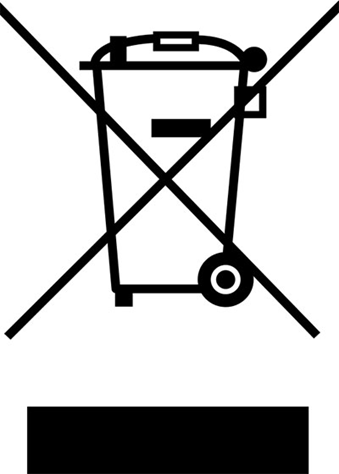
The symbol indicates that the product must not be disposed of as municipal waste. It must be handled separately through appropriate recycling and collection systems. By following these instructions, you can ensure that this product is handled properly and help reduce the potential impact on the environment and human health, otherwise it may result from improper handling. Recycling products helps protect natural resources and protect the environment.
Applicable area
EU Member States: Austria Belgium Cyprus Czech Republic Denmark Estonia Finland France Germany Greece Hungary Italy Ireland Latvia Lithuania Luxembourg Malta Netherlands Poland Poland Portugal Slovakia Slovenia Spain Sweden United Kingdom Bulgaria Romania Croatia Croatia Turkey
Applicable product range
The WEEE Directive applies to the following electrical and electronic products: large household appliances, small household appliances, information technology and telecommunications equipment, user equipment, lighting equipment, electrical and electronic tools (except large static industrial tools), toys, leisure and sports equipment, Medical equipment (except all implanted and infected products), monitoring and control equipment, vending machines. Table 2 (see next page) lists the product catalogs under the above categories of electrical and electronic equipment. The case of this Directive will be applied on the premise of not violating the EU's laws on safety and health requirements and the EU's special regulations on waste management. Equipment, weapons, and war materials related to the protection of important security interests of EU member states are not eligible for this Directive.
"Electrical and electronic equipment" (WEEE) refers to equipment belonging to the categories listed in Table 2 that are designed for use with AC voltage not exceeding 1000V and DC voltage not exceeding 1500V, and require normal current or electromagnetic fields for normal operation and the realization of these currents and magnetic fields Production, transmission and measurement equipment. "Electrical and electronic waste" (WEEE) refers to electronic or electrical equipment that is determined to be waste according to the definition of Article 1(a) of the EU Directive 75/442/EEC, including all parts of the product that are discarded as part of it Ingredients, parts and consumables.
The difference between WEEE directive and WEEE registration
WEEE Directive: Applicable to the European Union, definition: Waste Electrical and Electronic Equipment Recycling Directive, WEEE is Waste Electrical and Electronic Equipment (WEEE) Directive (2002/96/EC)
EEE Registration: Only applicable to Germany. Definition: According to ElectroG Gesetz issued on March 16, 2005, all electronic products in the European Union need to be registered for recycling. Under the EAR, there is a recycling company. On the one hand, the recycling company is responsible for the pollution-free disposal of electronic products. On the other hand, on the premise that the company no longer operates the product in Germany (bankruptcy or withdrawal from the German market), it continues to follow up the product. Be responsible for. After the merchant signs a recycling contract with the recycling company, the recycling company guarantees the disposal of electronic waste. After the contract is submitted to the EAR for review, the WEEE-Reg-Nummer will be issued by the EAR.

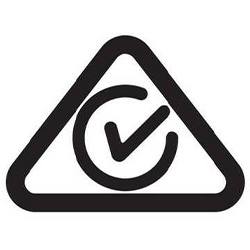
Australian RCM certification
Label printers entering the Brazilian market, ANATEL certification is an essential passport! It is the recognition of the Brazilian Telecommunications Authority for the safety and compliance of electronic products, without which products cannot be legally sold.
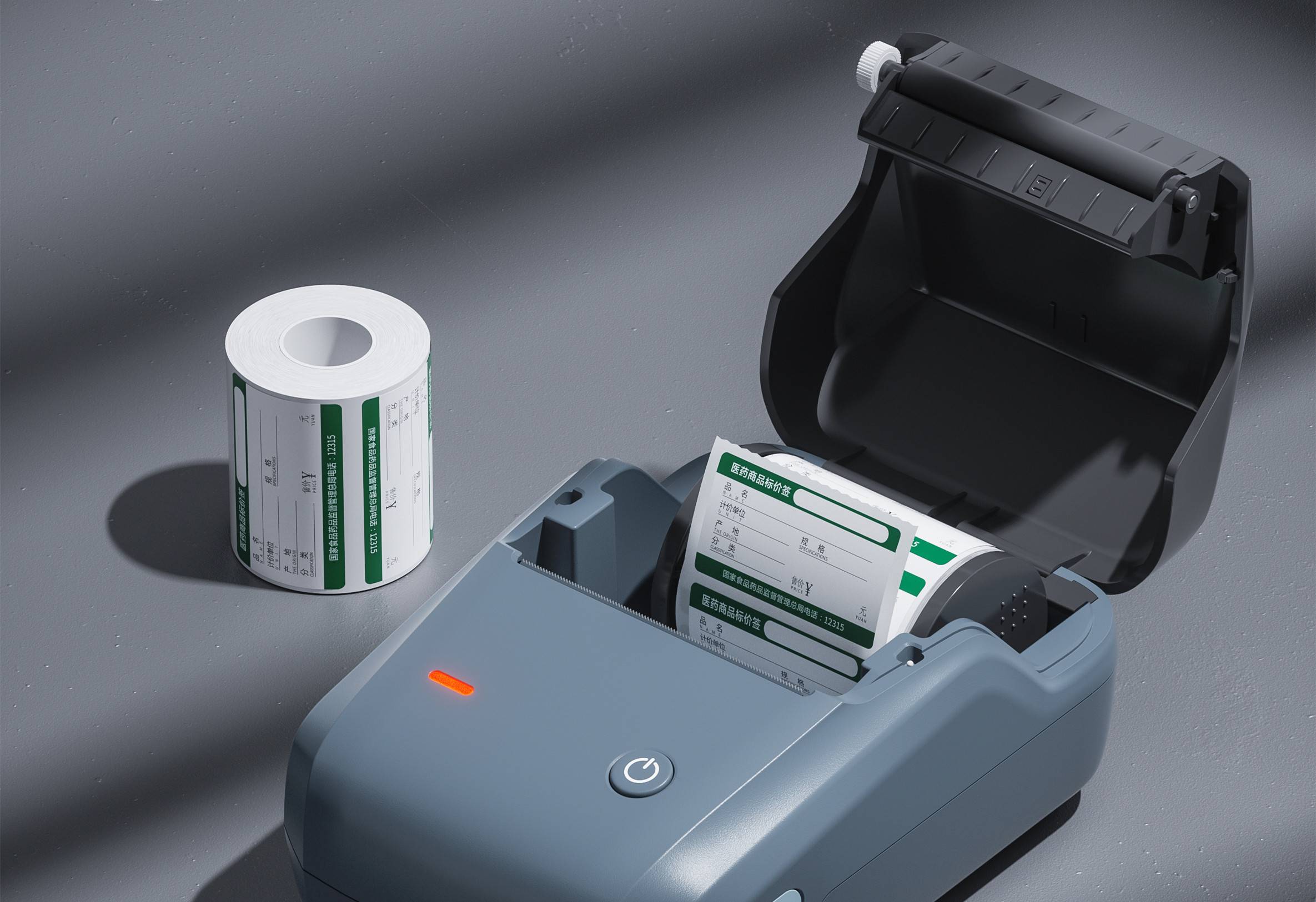
SRRC certification is not only a guarantee of product compliance, but also a key to opening up the market.
From August 13, 2005, manufacturers of electrical and electronic equipment circulating on the EU market must legally bear the responsibility for paying for the recycling of end-of-life products.
Get a quote

Tik Tok